Enter password to view case study
Making Waves
Client
Surfers Against Sewage
Sector
Charity Activism
Most charities ask supporters for money. SAS needed two pieces of work that did the opposite. Work that treated supporters as participants, not donors, and made the relationship the product.
Brand Strategy
Creative Direction
Visual Identity
Customer Experience
Surfers Against Sewage started in 1990 as a group of Cornish surfers in St Agnes and Porthtowan, sick of swimming through raw sewage and willing to make it everyone's problem. Thirty-five years on, SAS is one of the UK's most recognised environmental charities. Forty-odd staff, a national supporter base, an Ocean Network of business members, and a campaigning track record that has shifted policy.
Two parts of the engine had stalled.
Memberships on the consumer side were in decline. Ocean Network business memberships were too. Both audiences were drifting from a charity that had spent decades earning their loyalty, and the previous approach to reversing it had been consultative, not delivery-led. Strategy on a shelf. Recommendations without execution. The work hadn't landed.
The partnerships team (Tabitha and Paola) brought Contour in for the Ocean Network. The membership team (Sephron and Olivia) brought Contour in for the consumer side. SAS was simultaneously running an organisational strategy review, which meant the Ocean Network and membership work had to anticipate where the wider charity was heading rather than rebuild from where it had been. Two sub-brands. One direction of travel. A team running fast.
Giles Bristow, as CEO, signed off the direction and challenged the work where it needed challenging. The wider SAS team trusted the process enough to let it stretch. That trust is the reason the work landed.
The corporate-environmental category sells the same line to every business. Pay us, put our logo on your sustainability page, you're done. WWF Corporate, marine conservation partnerships, plastic pledges, B-Corp adjacent programmes. The promise is permission-to-claim, not participation. The business gets a badge. The charity gets a payment. The relationship ends at the invoice.
The consumer-membership space tells the same lie in a different accent. £5 a month and you're saving the ocean. A direct debit, a welcome email, an annual newsletter, occasional polar-bear photography. The supporter writes the cheque and disappears. The charity says thank you and asks again next year.
Both models treat giving as a transaction. Both create the same problem. When the relationship is bought rather than built, there's nothing pulling the supporter back in. Memberships lapse. Corporate partners drop off the page when the marketing budget gets cut. Nobody is in. They're just paying.
What SAS needed was the opposite. Not a fundraising programme that asked harder. A brand for supporters that made participation the value exchange. Money in is the start of the relationship, not the end of it.
Content and Strategy collaboration with Kevin Karaca
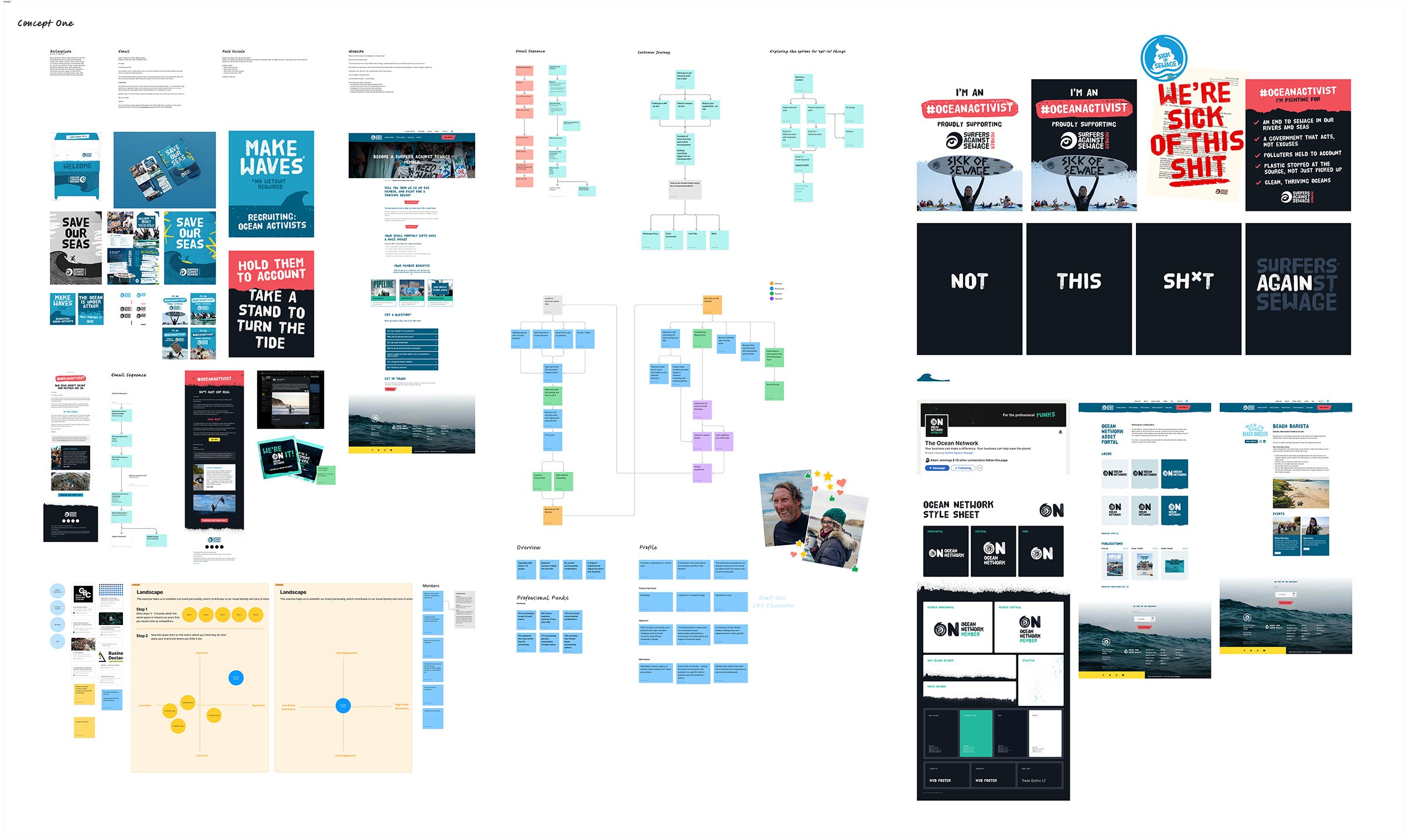
The Plan
Both projects ladder up to a single bet: treat supporter relationships as brand work, not fundraising work.
That sounds small. It changes everything downstream.
If a membership is a transaction, the work is conversion optimisation. If a membership is a brand relationship, the work is identity, journey, narrative, and next-step. The supporter isn't buying a feeling of having helped. They're buying a place in a movement that has somewhere for them to go after the sign-up.
SAS's role in this model is not recipient. It's facilitator. The charity exists to support, encourage, educate and enlighten the people who care about the ocean, and to give them the tools and the next step every time they're ready for one. That reframe is the work.
For the Ocean Network, the strategic move was to widen the audience and arm the internal champion. Most corporate giving programmes are sold to founders or sustainability leads. Useful, but narrow. The reality is that the person bringing an idea to the boardroom is rarely the founder. It's someone on the team who's spotted an alignment and wants the org to act on it. We built the Ocean Network proposition so that person had the tools to make the case internally. A founder-led business of one-to-five people can also sign up directly and use the membership as a flag to talk about their values publicly. The work isn't aimed at decision-makers alone. It's aimed at the people who move decision-makers.
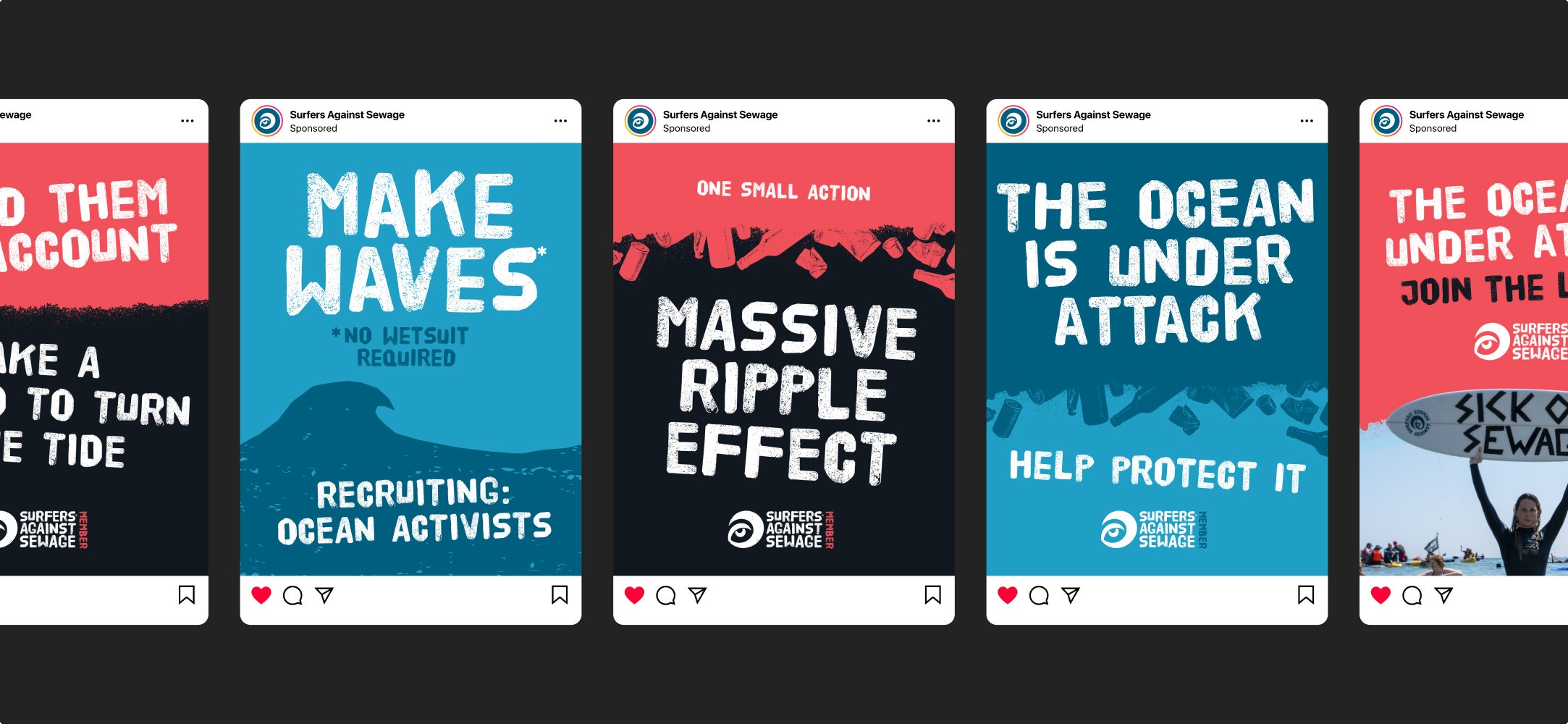
For the membership, the strategic move was tone. SAS's heritage points at one obvious direction. Anarchist, aggressive, sewage-on-the-doorstep energy. The research said otherwise. The audience most likely to convert and stick wants ocean-centred, supportive, momentum-focused communication, with appropriate notes of frustration and anger where they're earned. Picking the quieter tone was the harder strategic call because the loud version is on-brand for SAS's history. It just isn't on-brand for where the membership audience actually is. We backed the research.
We also rejected the obvious membership architecture. No tiered structure. One easy access point, priced to remove friction, designed so the next-step narrative does the deepening work that tiers normally do. Tiers make a hierarchy of supporters. The single price point makes a single community, then earns the deepening through participation.

The System
The thing both projects share, and the thing that makes the strategic claim real on the ground, is the next step.
Most charity sign-up journeys end at the welcome email. SAS's now begins there. After joining, members are given a defined path of escalating involvement. Write to your local MP. Attend a beach clean. Join a paddle-out. Show up to a protest. Connect with the SAS team in your region. Talk to your friends about it. Wear the badge publicly.
The path is shaped so anyone can find their level. Quiet support sits next to active campaigning sits next to direct political action. Nobody is graduated out, nobody is pushed too hard, and everyone has somewhere to go that's bigger than the donation that got them in.
The next-step logic is also what answers the lie the category is telling. Give us money and you're done becomes give us money and this is what happens next. The relationship has somewhere to grow.
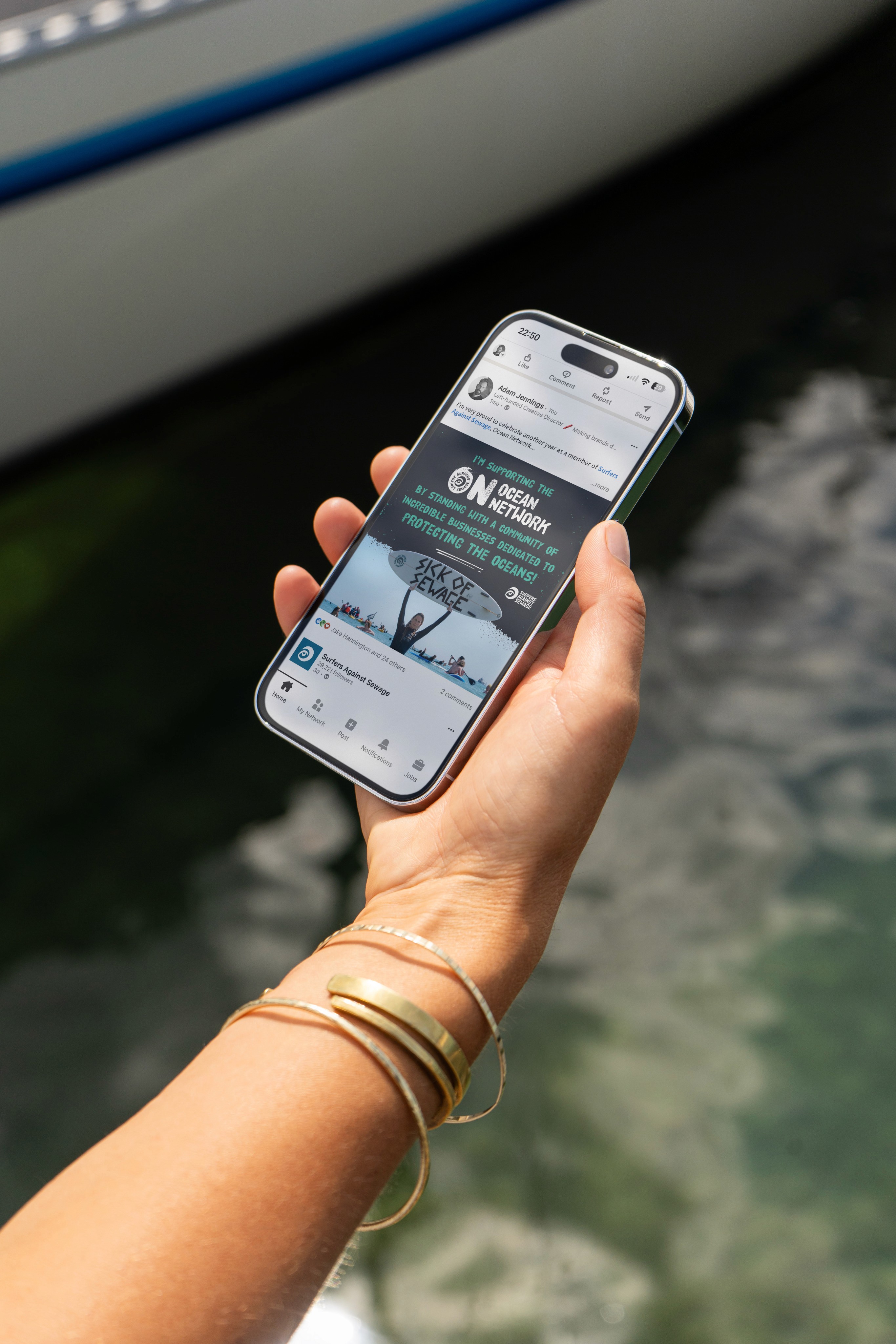
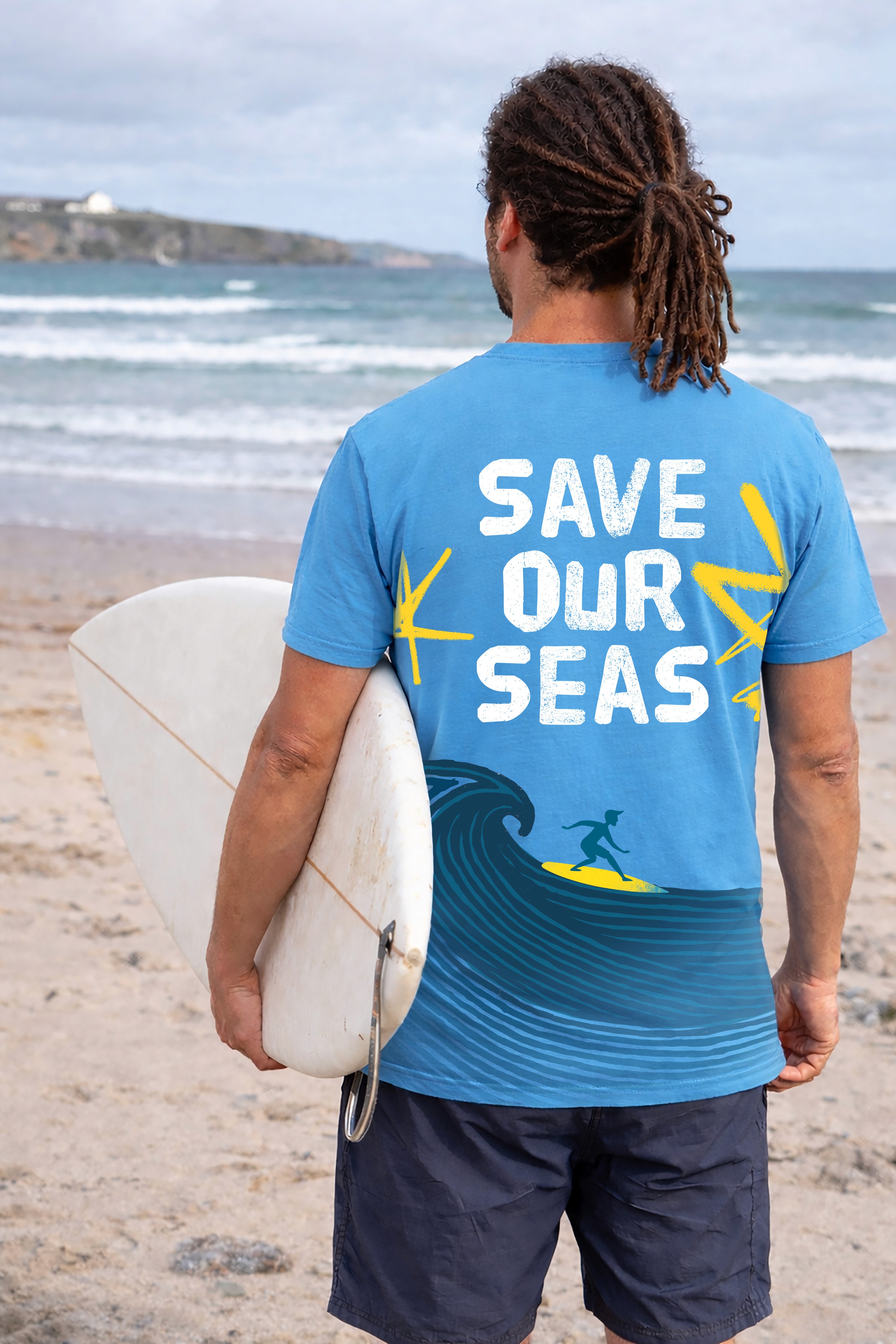
The work touched everything. Customer journeys, email sequences, sign-up flows, web assets, social templates, print, and the brand language that holds it all together. The two pieces of work most worth showing are the member packs.
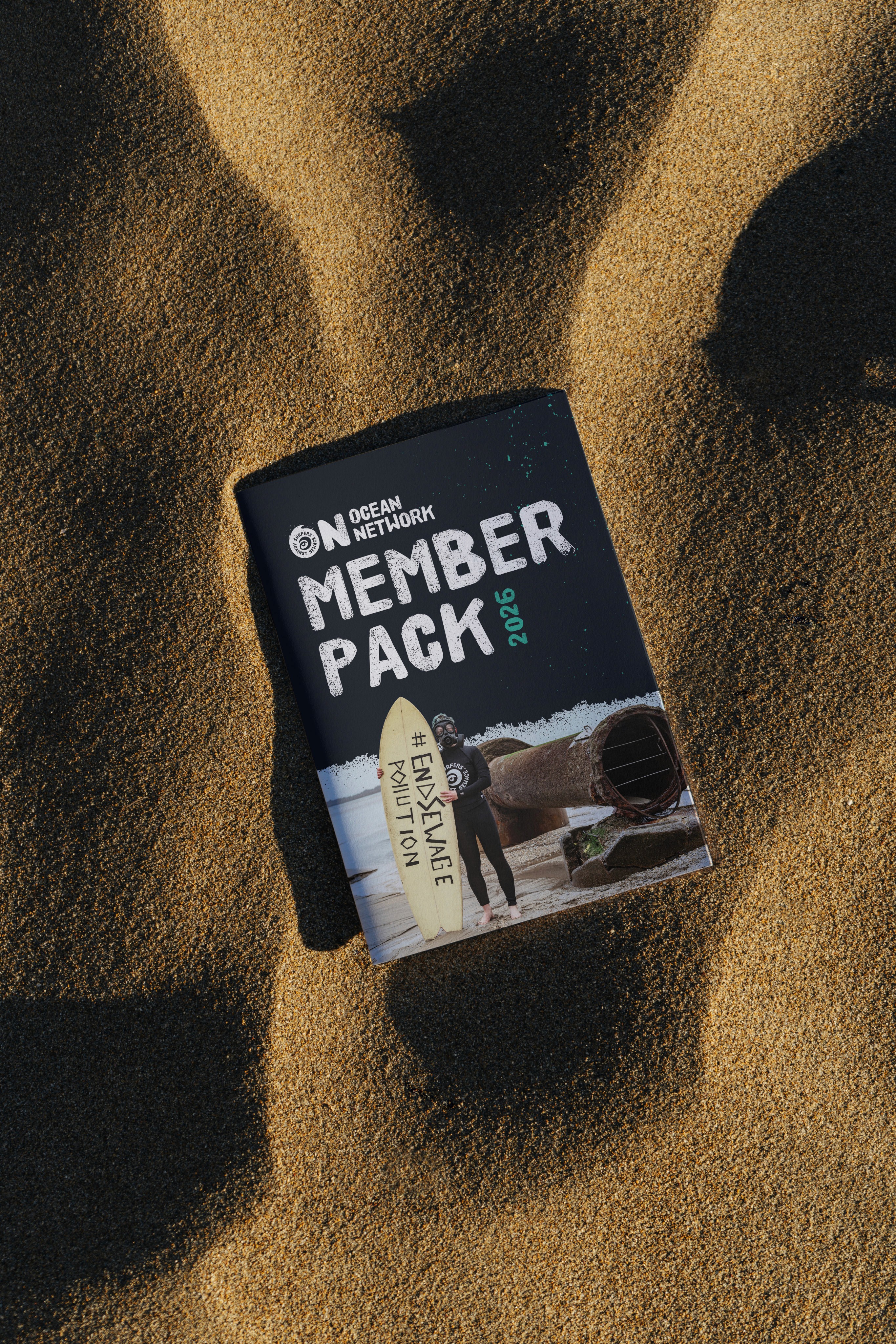
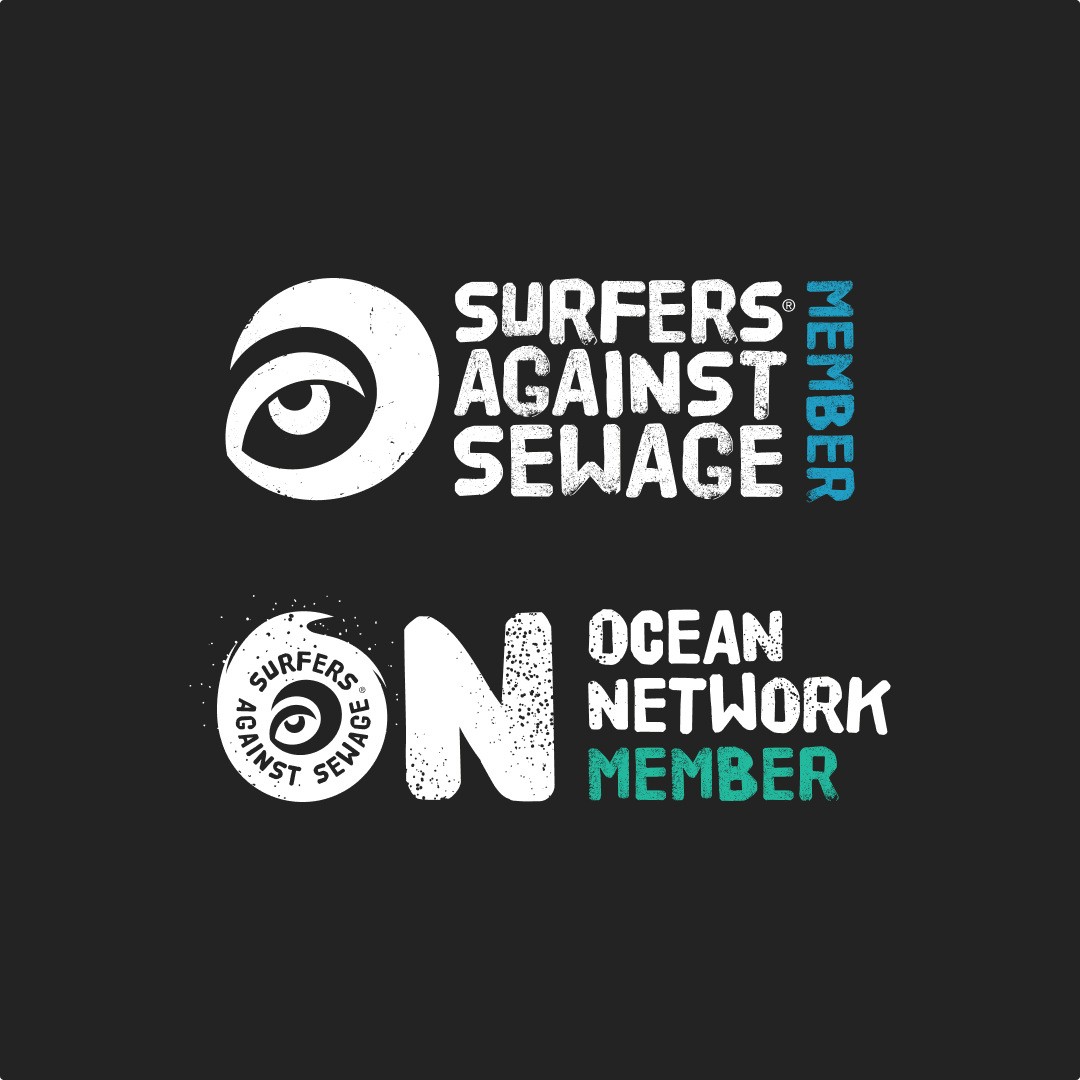
The Ocean Network member pack. A package given to business members at the point of joining. Information on the network, what to do next, how to attend events, how to access organisation resources, social media templates for talking publicly about the partnership. The pack does two jobs at once. It onboards the business and it equips the internal champion to keep selling the value of membership inside their own organisation. The supporter becomes the salesperson, voluntarily, because the materials make it easy.
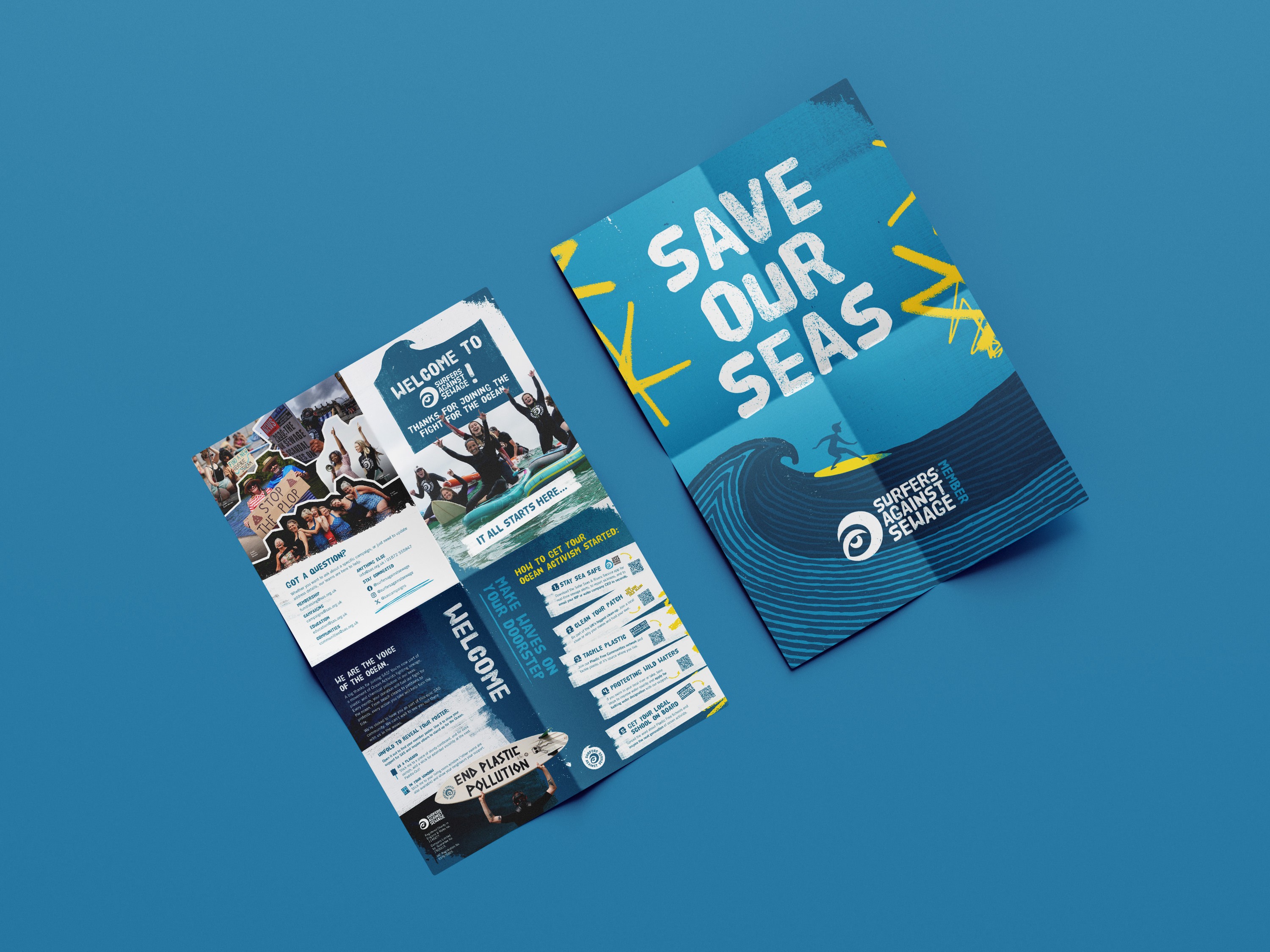
The membership pack. Same logic, different audience. Heavy on the next-step narrative. How to join the wider SAS community. How to find others near you. How to challenge your local MP. How to show up at a clean-up or protest. Available digitally, printable physically.
The placard-poster. Inside the membership pack, an A3 folded down to A5. A piece of print doing three jobs in sequence. Welcome material first. Manifesto poster when it goes on a wall. Placard when it gets carried at a paddle-out or a protest. One object that travels with the member through every stage of involvement. The brand made physical, then handed over and turned into a tool of activism by the people who own it.
That's what brand work, not fundraising work looks like on the page.
The work was delivered with Kevin Karaca on copy, comms and strategic challenge. Kevin works regularly in the outdoor and environmental space, and his pressure on the strategy, and on whether the creative output was actually doing what the strategy asked of it, sharpened both projects.
The SAS team made the project work in a way that needs naming. Collaborative, receptive to challenge, supportive of insight, and willing to bring the rest of the organisation along to make sure the work had buy-in beyond a single decision-maker. That kind of internal trust is rare and it shows in the output. The work landed because the team let it.
Beyond the numbers, both pieces of work gave SAS sub-brands the clarity to grow in line with the wider organisational strategy, and the assets to deliver against that clarity without re-explaining themselves every time.